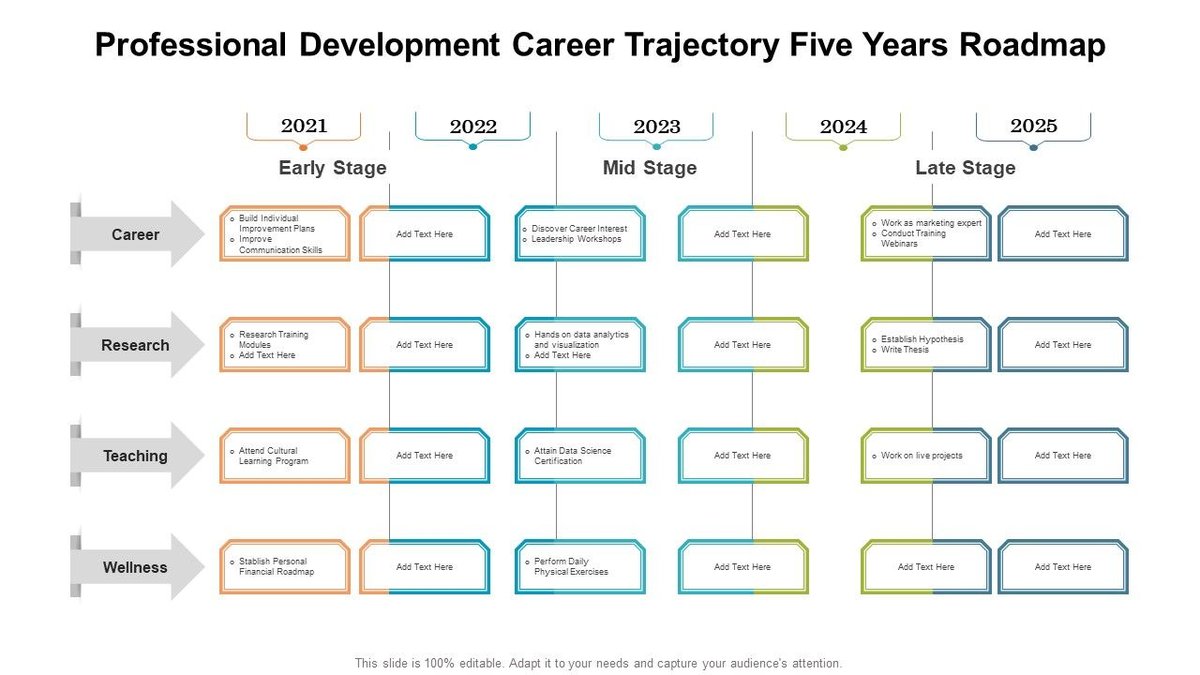
Embarking on a professional journey without a map can feel exhilarating, a choose-your-own-adventure of sorts. But for sustainable growth, fulfillment, and strategic advancement, understanding your Career Trajectory & Professional Roles isn't just helpful—it's essential. It's about more than just your next job; it's charting the entire landscape of your working life, recognizing where you are, where you want to go, and the most effective routes to get there. Without this foresight, you risk drifting, reacting to opportunities rather than actively creating them.
At a Glance: Charting Your Professional Journey
- What is it? Your career trajectory is the unique path of jobs, achievements, and growth throughout your working life—a dynamic map of your professional evolution.
- Why define it? It helps you understand your current fit, clarify future aspirations, and create actionable, realistic goals for professional development.
- Key elements: Vision for your work, specific job targets, significant life events, and clear career goals.
- Trajectory types:
- Vertical: Upward movement with increasing responsibility, pay, and seniority, often with strategic detours for learning.
- Horizontal: Lateral moves or extended periods in one role, valuable for skill acquisition, deeper knowledge, or strategic pivots.
- How to plan: Self-assessment, goal setting, resume alignment, skill acquisition, networking, and creating a concrete action plan.
- Expert help: Talent development coaches can offer guidance, motivation, and objective insights to accelerate your progress.
Beyond the Daily Grind: What Is a Career Trajectory?
Think of your "career" as the vast, sprawling story of your entire professional life—every job, every accomplishment, every lesson learned. Your career trajectory, however, is the plotted path within that story. It’s the intentional line you draw, a strategic map of positions you've held, skills you've developed, and the growth you've experienced and aim to experience. It’s distinct, functioning as a forward-looking blueprint more than a retrospective summary.
This trajectory isn't just a static line; its shape is entirely dependent on your personal definition of success. For some, success means a steady ascent up the corporate ladder, marked by higher salaries and increased responsibility. For others, it might be the accumulation of diverse experiences, the freedom of entrepreneurship, or the profound impact of their work. Your trajectory is ultimately a reflection of your deepest professional goals, whether those are monetary gains, specific achievements, or the successful launch of your own ventures.
When you start to sketch out this personal map, several key elements come into sharp focus:
- What you want to do: Beyond a job title, what kind of work truly energizes you? What problems do you want to solve, or what value do you want to create?
- Job opportunities to pursue: Which specific roles or industries align with your skills and aspirations? Where can you apply your unique talents?
- Events that contribute to your work life: Consider major life changes, educational pursuits, certifications, or even personal projects that shape your professional identity.
- Goals for your career path: These are the milestones—the promotions, the projects, the learning objectives, the leadership roles—that signify progress on your terms.
Understanding these elements lays the groundwork for purposeful action, transforming vague aspirations into a clear, navigable pathway.
The Roads Less Traveled (and Well-Worn): Types of Career Trajectories
Not all career paths look the same, nor should they. The modern professional landscape offers flexibility, allowing individuals to sculpt trajectories that truly fit their ambition and lifestyle. While many perceive a career path as a singular, straight climb, there are primarily two distinct types of trajectories, each with unique advantages and strategic implications.
The Vertical Climb: Ascending to New Heights
The vertical trajectory is perhaps the most traditional and easily recognizable path. It's characterized by an upward slope, signifying career growth into progressively higher-level positions. This typically comes with increased pay, greater responsibility, and often, more significant influence within an organization or industry. Think of moving from junior analyst to senior analyst, then to team lead, manager, director, and eventually a C-suite executive.
This path is often driven by a desire for leadership, financial advancement, and broader strategic impact. However, a vertical trajectory isn't always a perfectly straight line upwards. Strategic downward moves can be incredibly powerful if they support long-term objectives. For instance, accepting a slightly lower-level role in a new industry to acquire crucial skills, or taking a sabbatical for advanced education, can be deliberate steps that ultimately propel you much higher. The potential risk here, however, is reaching a "ceiling"—a point at the top of a specific career path where further vertical advancement becomes limited without a significant pivot or change in organization.
The Horizontal Stretch: Mastering Your Domain (or Pivoting)
Often depicted as a straight line, a horizontal trajectory might involve long periods in one position or making lateral career moves. This path is sometimes mistakenly perceived as a "plateau," suggesting a lack of ambition or stagnation. In reality, a horizontal trajectory can be an incredibly valuable and strategic period for profound growth and skill development.
Consider a software engineer who chooses to remain an individual contributor for many years, dedicating that time to mastering new programming languages, diving deep into architectural design, or becoming an expert in a niche technology. Or perhaps someone moves from a marketing role in tech to a similar marketing role in healthcare, broadening their industry experience without immediate vertical promotion.
This horizontal movement provides rich opportunities for:
- Acquiring new skills: Deepening expertise in existing areas or learning entirely new ones.
- Knowledge acquisition: Gaining a comprehensive understanding of different business functions or industries.
- Pursuing education: Using a stable role to complete advanced degrees or specialized certifications.
- Transitioning roles: Strategically moving laterally to pivot into a new career field where a vertical climb will begin afresh.
Far from being a sign of stagnation, a well-planned horizontal trajectory can serve as a powerful turning point, building the foundational expertise and diverse experience necessary for future, more impactful advancement, whether that's eventually vertical, or even a complete entrepreneurial leap.
Why Bother? The Undeniable Power of Defining Your Path
In a world that celebrates hustle and immediate gratification, taking the time to define your career trajectory might seem like a luxury. Yet, it's one of the most high-impact investments you can make in your professional life. Without it, you're essentially sailing without a rudder, at the mercy of currents and winds rather than charting your own course.
Here’s why taking this deliberate approach is crucial:
Understand Your Current Position
Before you can know where you're going, you need to know where you are. Defining your trajectory forces you to critically evaluate your current role and responsibilities. Is your job truly a good fit for your skills, values, and long-term aspirations? Are you feeling challenged and engaged, or are you merely going through the motions? This self-assessment identifies not only what's working well but, more importantly, pinpoints areas needing change. Perhaps you're missing opportunities for leadership, your skills are underutilized, or the company culture doesn't align with your personal values. Understanding your present standing provides the vital context for all future decisions.
Know Your Future Aspirations
What does success look like to you five, ten, or even twenty years down the line? This isn't just about job titles; it's about desired accomplishments, the impact you want to make, and your personal needs. Do you yearn for more creative freedom, greater autonomy, or the satisfaction of mentoring others? Is work-life balance a non-negotiable? Clarifying these aspirations paints a vivid picture of your ideal future, acting as a north star that guides your choices. Without this clarity, opportunities might pass you by simply because you haven't recognized them as stepping stones to your ultimate goals.
Define Actionable Goals
A dream without a plan is just a wish. Once you understand your current position and your future aspirations, your career trajectory transforms into a clear, actionable plan. It helps you break down big-picture desires into realistic steps and achievable milestones. Instead of vaguely hoping for a promotion, you can identify the specific skills, experiences, and relationships you need to cultivate to make that promotion a reality within a defined timeframe. This structured approach makes your career objectives tangible, measurable, and far more likely to be achieved. It empowers you to take control, moving from a passive participant in your career to an active architect of your professional destiny.
Your Blueprint for Success: Steps to Plan Your Career Trajectory
Crafting a clear career trajectory isn't about rigid adherence to a plan; it's about thoughtful preparation that enables agility and informed decision-making. It’s an iterative process, much like designing a complex project. Here's how to lay down your blueprint.
1. Vision Quest: Identify Personal and Professional Goals
This is where you dream big. What does true professional fulfillment look like for you? Beyond just a job, consider what impact you want to have, what kind of problems you want to solve, and what lifestyle your career should support. Visualize these goals vividly. Where do you want to be in 1 year, 5 years, 10 years? Will you be leading a team, pioneering a new technology, running your own business, or contributing to a cause you deeply care about?
Consider using a timeline to plot these visions. This isn't about predicting the future with perfect accuracy, but about setting a general direction. Ask yourself: "What kind of work excites me most?" and "What personal values must my career uphold?" The answers will form the bedrock of your trajectory.
2. Reality Check: Assess Your Current Position
Now, bring it back to the present. Take an honest inventory of "Where am I?" What are your current skills, strengths, and areas for development? What does your current role entail, and how does it align with the goals you just identified?
Reflect on your past achievements, the projects that energized you, and even the failures that taught you valuable lessons. What aspects of your current work do you enjoy, and what do you dread? This self-assessment is critical for understanding your starting point and identifying any gaps between your present reality and your future aspirations. Be objective, perhaps even asking trusted mentors or colleagues for their candid feedback.
3. Your Professional Story: Revise Your Resume
Your resume is more than just a chronological list of jobs; it's your professional story, a document designed to open doors to your desired future. Once you have a clearer vision of your trajectory, revise your resume to reflect it. This means more than just updating dates.
Focus on:
- Mission Statement/Objective: Tailor it to explicitly state your target roles and the value you bring to those specific positions.
- Skills Section: Highlight the skills you've identified as necessary for your desired trajectory, ensuring they are prominent and clearly articulated. If you've started acquiring new skills (see step 4), make sure they're visible.
- Experience: Reframe past accomplishments to emphasize relevant achievements and demonstrate how your experience prepares you for your target roles. Use action verbs and quantifiable results.
A well-crafted resume becomes a powerful tool, signaling to potential employers that you are intentional about your career path.
4. Skill Up: Acquire Necessary Competencies
With your target roles in mind, research the skills required to excel in those positions. This isn't just about formal qualifications; it includes soft skills, technical proficiencies, industry knowledge, and even specific software expertise. Make a comprehensive list.
Then, actively work to build these skills. This could mean:
- Formal education: Online courses, certifications, degree programs.
- On-the-job training: Volunteering for new projects, seeking out mentorship opportunities, or taking on stretch assignments.
- Self-study: Reading books, industry whitepapers, following thought leaders.
Investing in your skill set is a continuous process that directly fuels your upward (or lateral) mobility. Staying relevant and continuously growing your expertise is paramount. Many find valuable insights and guidance from seasoned professionals who have charted similar courses. For example, Learn more about Jackson Kim's perspectives on strategic skill development can offer a powerful framework for this crucial step.
5. Connect & Grow: Build a Professional Network
Your network is often your net worth in the professional world. Connect with individuals who are already pursuing similar paths or working in the roles you aspire to. Informational interviews can provide invaluable insights into the day-to-day realities, challenges, and opportunities within those fields.
Attend industry events, join professional associations, and leverage platforms like LinkedIn. But remember, networking is about building genuine relationships, not just collecting contacts. Offer value, be curious, and seek to understand others' journeys. Also, ensure your professional online presence (e.g., LinkedIn profile) is updated to reflect your target roles and aspirations, making it easier for opportunities to find you.
6. The Action Plan: Determine "How to Get There"
This is where all the previous steps coalesce into a concrete plan. Based on your goals, your current assessment, and the skills you need to acquire, formulate a clear sequence of actions.
Your action plan should include:
- Short-term goals: What can you achieve in the next 3-6 months? (e.g., complete a specific certification, volunteer for a new project, connect with 5 new industry contacts).
- Mid-term goals: What can you accomplish in the next 1-2 years? (e.g., gain a specific promotion, transition to a new role, develop expertise in a particular area).
- Long-term goals: Your overarching aspirations (e.g., leadership position, entrepreneurial venture, industry expert).
Break down each goal into smaller, manageable steps. Assign deadlines and identify any resources you'll need. This plan isn't etched in stone, but it provides a clear roadmap, allowing you to track progress and make adjustments as you move forward.
Accelerating Your Journey: The Role of a Talent Development Coach
While the steps to plan your career trajectory are clear, executing them effectively can be challenging. This is where a professional talent development coach can become an invaluable ally, offering objective perspective, specialized knowledge, and consistent support. Think of a coach as a seasoned guide who knows the terrain and can help you navigate it more efficiently and confidently.
Here’s how a coach can significantly aid in your career trajectory planning:
- Highlighting Potential Career Pathways: You might be excellent at what you do, but perhaps you’re too close to your own situation to see all the possibilities. A coach brings a fresh, objective perspective, identifying new avenues where your existing skills could be highly valued or suggesting unconventional paths you hadn't considered. They can help you connect the dots between your talents and emerging industry needs.
- Sharing Valuable Knowledge and Experience: Professional coaches often have extensive backgrounds in various industries and a deep understanding of career development principles. They can share unique insights, best practices, and guidance based on their experience with similar career situations, helping you avoid common pitfalls and leverage proven strategies. Their insights can save you time and effort by directing you towards the most impactful actions.
- Serving as Motivation and Accountability: It’s easy to get sidetracked or lose momentum when planning a long-term career. A coach helps you define achievable goals, set realistic timelines, and holds you accountable for taking consistent action. Knowing you have a dedicated partner checking in can be a powerful motivator, ensuring you stay on track and don't let immediate pressures derail your larger objectives. They celebrate your wins and help you strategize through setbacks.
- Identifying Valuable Skills (and Weaknesses): Many professionals struggle to objectively assess their own strengths and areas for development. A coach provides an unbiased evaluation, helping you articulate your unique value proposition. More importantly, they can help you pinpoint specific weaknesses that might be holding you back and develop strategies to turn them into growth opportunities. This objective assessment can reveal dormant talents or new growth areas that you might otherwise overlook, enabling you to build a more robust and adaptable skill set.
Engaging with a talent development coach transforms career planning from a solitary, potentially overwhelming task into a collaborative, empowering process.
Charting Your Course: Beyond the First Map
The idea of defining your career trajectory might feel like a monumental task, a one-time grand declaration. In truth, it's a living document, a compass that guides you through the dynamic landscape of your professional life. The world of work is constantly evolving, and so too should your map.
Embrace the understanding that flexibility is your greatest asset. Your initial trajectory is a starting point, a well-reasoned hypothesis about your ideal path. As you gain new experiences, acquire new skills, and as your personal values and priorities shift, revisit your blueprint. Continuous assessment and adjustment aren't signs of indecision, but rather hallmarks of a strategic and adaptable professional.
Ultimately, defining your career trajectory and understanding your professional roles isn't about rigid adherence to a predetermined future. It's about empowerment—empowering you to make intentional choices, to seize relevant opportunities, and to actively sculpt a professional life that brings you profound satisfaction and continuous growth. Start charting your course today, and prepare to navigate your career with clarity, purpose, and confidence.